Leadership insights, customer experience ideas, creativity, communication, and practical stories from Dustin E. James, CSP.
HOW TO MAKE MOMENTS MATTER

The Rule of the Rake
This past weekend, my daughter was heading back to college. It was a quiet Sunday afternoon, the kind that feels like a turning point—winter loosening its grip, spring just around the corner. I decided it was time to get outside and tackle some early yard work.

Normally, I grab the leaf blower. It’s quick, loud, and efficient—or at least it feels that way. Our yard backs up to a nature preserve, and I’ll be the first to admit it’s not perfect. It’s not perfectly flat, and there are dips and uneven patches where leaves love to hide. In years past, the blower seemed like the obvious choice. Why not use the faster tool? But this year, I did something different...
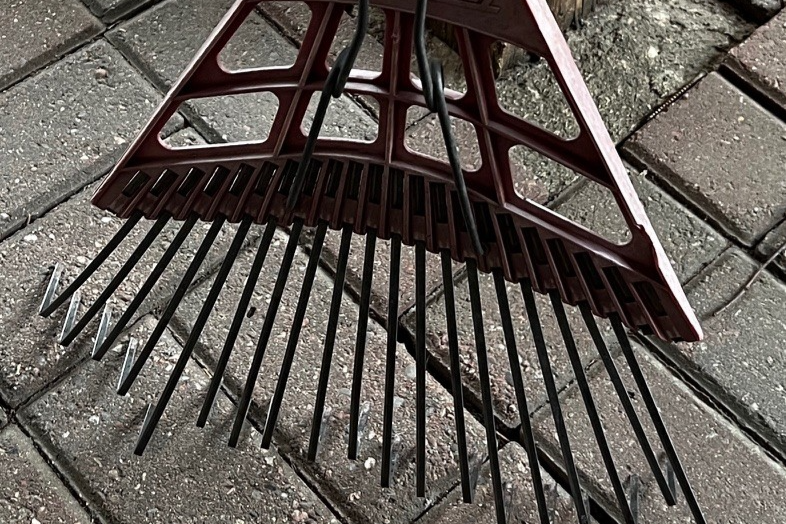
I reached for an old rake. Wooden handle. Red plastic head. One tine broken. The kind of tool that looks like it belongs in a garage sale pile rather than in active duty. Still, I decided to take my time and rake the yard the old-fashioned way. To my surprise, it worked better than I remembered. The rake got into every low spot, every uneven patch, every stubborn corner the leaf blower never quite handled. Instead of pushing leaves around, it pulled them out completely. By the time I finished, the yard looked truly ready for spring—ready for seed, for treatment, for fresh growth. It wasn’t just cleared; it was prepared.
That afternoon reminded me of something simple but powerful: old tools still matter. We live in a tech-savvy, fast-paced world. Everything is about speed, automation, optimization. We want shortcuts. We want efficiency. But sometimes, the basics do the best job. Sometimes slowing down actually saves time in the long run. When I use the leaf blower, I often must go back two, three, even four times. A few leaves always get trapped in a low spot. Weeks later, they resurface. The mower hits them. Grass struggles to grow in that patch. What felt the most efficient created more work for me later. The rake, on the other hand, demanded patience. It wasn’t flashy. It wasn’t fast. But it was thorough. And because it was thorough, I have a feeling this year’s grass might be the best it’s ever been. We did it right the first time.
The rake reminded me of something I see in organizations all the time:
We're constantly looking for the next tool, platform, shortcut, or strategy that will help us move faster.
But excellence rarely comes from doing more things.
It comes from doing the right things well.
The fundamentals aren't exciting because we've heard them before. Yet they're often the very things that separate average performance from exceptional results.
A handwritten note.
A follow-up phone call.
Learning a customer's name.
Practicing a presentation one more time.
None of those things are flashy.
They're just thorough.
And thorough has a way of outperforming trendy over time.
This week, take a breath. Slow the game down. Look at the tools already at your disposal. The ones that may not be flashy but are proven. Because sometimes, the best results don’t come from moving faster. They come from doing it right the first time.
SERVE BEFORE YOU SPEAK
Every time you stand in front of an audience—whether it's a keynote, a team meeting, a sales presentation, or even a one-on-one conversation—you have a choice.
You can focus on delivering your message...
Or you can focus on serving the people in front of you.
The best communicators understand that people don't simply want information. They want encouragement. They want clarity. They want practical ideas they can use. Most of all, they want to feel like their time mattered.
Before every presentation, I try to ask myself a simple question:
"How can I make this audience better because we spent this time together?"
That mindset changes everything.
It changes the stories you tell.
It changes the examples you choose.
It changes the energy you bring into the room.
And it changes what people remember long after your presentation is over.
Whether you're speaking to five people or five thousand, your goal isn't to impress an audience—it's to serve one.
When people leave feeling encouraged, equipped, and valued, you've done far more than deliver a presentation.
You've made a moment matter.
who is your audience?
One of the greatest mistakes we make when communicating—whether we're leading a team, serving a customer, presenting on stage, or having a one-on-one conversation—is assuming we know what the other person needs.
It's no longer enough to simply know your audience.
Become your audience.
Take a moment to step into their shoes.
What challenges are they carrying? What frustrations are they facing? What questions are keeping them up at night? What are they hoping will be different when they walk away from this conversation?
When we take the time to truly understand the people in front of us, something powerful happens. We stop communicating at them and start connecting with them.
That's where trust begins.
Whether you're giving a keynote, leading a meeting, making a sales call, or serving a customer, people want to know one thing before they'll fully listen:
"Do you understand me?"
When the answer is yes, they're far more likely to engage, trust, and take action.
The best communicators don't simply deliver information. They create connection by showing genuine empathy and understanding. They recognize that every audience, every customer, and every teammate brings their own experiences, concerns, and expectations into the room.
The next time you're preparing for an important conversation, spend less time asking, "What am I going to say?"
Instead, ask yourself:
"What does my audience need to hear?"
That simple shift can change everything.
Momentum Isn't an Accident
Summer has a way of slowing things down. Calendars become a little lighter, vacations take priority, and many organizations hit the pause button until fall.
But what if this quieter season became your greatest advantage?
The strongest leaders, sales professionals, and organizations don't wait until business gets busy to improve. They use the slower seasons to sharpen their skills, strengthen their teams, and prepare for what's ahead. Momentum isn't created overnight—it’s built through consistent, intentional action long before the busiest season arrives.
Whether you're refining your communication, investing in your team's growth, or looking for new ways to elevate the customer experience, now is the perfect time to make progress.
Before long, fall will be here. The question is simple:
Will you be reacting to the opportunities ahead... or ready for them?
At Moments Performance Group, we believe that small, intentional improvements create extraordinary results over time. If you're ready to build momentum for your team, your leadership, or your organization, we'd love to help.